

How to Build Self Discipline and Stay Consistent
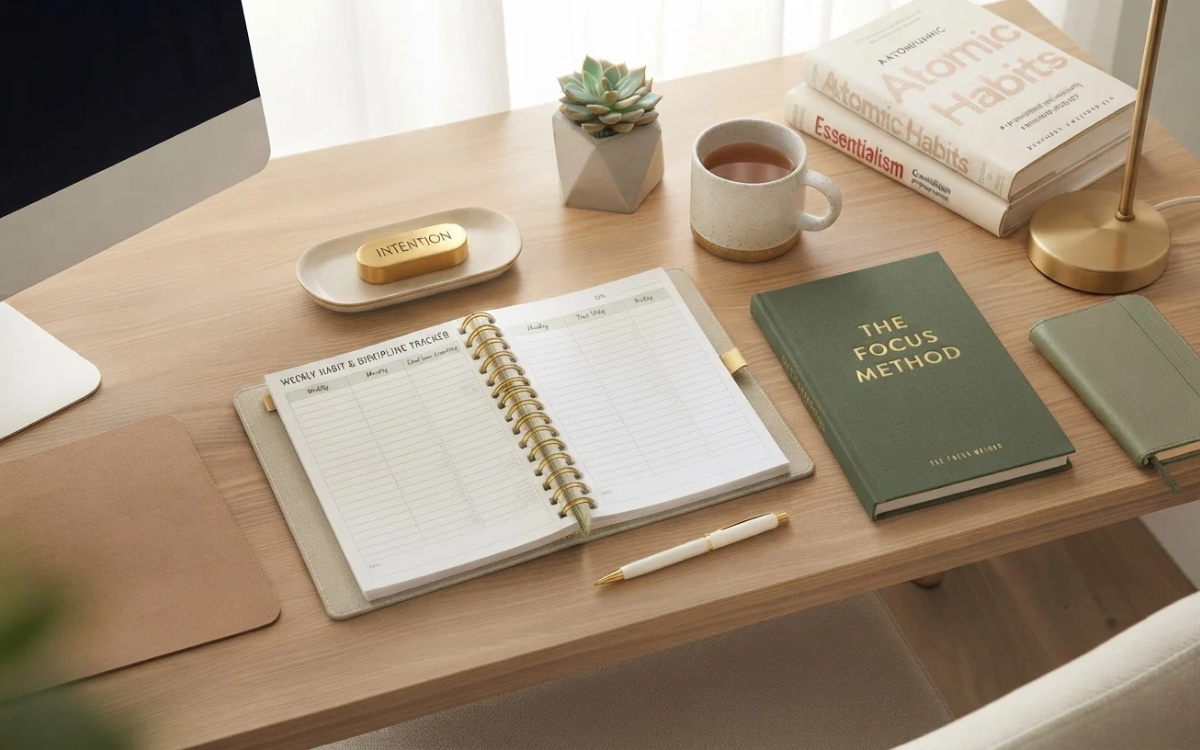
7 Simple Ways to Build Self-Discipline and Stay Consistent Without Burning Out
Tired of starting strong on Monday and losing steam by Thursday? Self-discipline is not about iron willpower or grinding through exhaustion. It comes from designing simple routines and environments that make the right action easier than skipping it.
Below is a practical framework you can start today to build steady momentum.
Want to map out your daily habits in 10 minutes instead of guessing? Grab the [Daily Discipline & Habit Planner] to structure your mornings and track streaks in one place.
1. Lower the Bar on Hard Days
Big goals fail when you treat every day like a peak-energy day. Define a “minimum viable version” of your habit for low-energy days, such as stretching for 3 minutes instead of a full workout or writing 50 words instead of 500.
Showing up small keeps your identity intact. Consistency comes from never missing twice in a row.
2. Anchor Habits to Existing Triggers
Relying on memory or mood weakens follow-through. Pair a new habit with something you already do automatically, like reviewing top priorities right after pouring your morning coffee.
When the trigger stays fixed, decision fatigue drops. You stop asking whether to start and simply follow the sequence.
3. Design Your Space for Less Friction
Make good choices obvious and distractions inconvenient. Put your workout clothes next to your bed, place a water bottle on your desk, and move distracting apps out of reach during focus blocks.
- Remove friction for good habits: Prep materials the night before.
- Add friction to bad habits: Log out of time-wasting sites or put your phone in another room.
- Keep tools visible: Leave your planner open where you plan your day.
4. Plan Tomorrow Before Today Ends
Waking up without a clear plan invites reaction and scrolling. Spend 5 minutes at the end of the workday picking your top one to three priorities for tomorrow.
Struggling to get scattered thoughts out of your head before sleep? Inside the [Self-Discipline Reset Guide & Planner], you get fill-in-the-blank evening shutdown pages so you start tomorrow with a clear plan. [Explore the Guide & Planner →]
5. Track Streaks Visually
A visible record turns abstract effort into proof. Checking off a box each day creates a short feedback loop that rewards steady effort even before big external results show up.
Keep the tracker simple three to five core habits is plenty. Tracking twenty items at once usually leads to abandoning the sheet by week two.
6. Build in a Recovery Buffer
Life interrupts routines through travel, poor sleep, or busy seasons. Treating one off-day as failure triggers an all-or-nothing spiral that derails weeks of progress.
Build slack into your week so a missed session gets absorbed without guilt. Restart at the very next block rather than waiting until next Monday.
7. Review Weekly and Adjust Systems
Discipline works best as an experiment, not a punishment. Once a week, spend 10 minutes asking what worked, what felt heavy, and what needs to shrink or move.
If a habit keeps failing at 7:00 AM, test it after lunch. Adjusting the system protects your consistency far better than blaming yourself.
Common Mistake: Relying on Motivation Alone
Motivation spikes when you feel inspired and disappears when you feel tired or bored. People who stay consistent build repeatable setups clear cues, small minimums, and written plans that carry them through average days.
Summary & Next Step
- Start small: Use a minimum version on low-energy days.
- Fix the cue: Attach habits to existing routines and clean up your environment.
- Plan and review: Pick tomorrow’s priorities the night before and tweak weekly.
Reading about discipline starts the shift, while having a clean daily layout makes sticking to it effortless. Open the [Daily Discipline & Habit Planner] to set up your weekly priorities, track your habits, and build lasting consistency.